
Building a Fire Break in the Hill Country: What Landowners Need to Know Before Wildfire Season
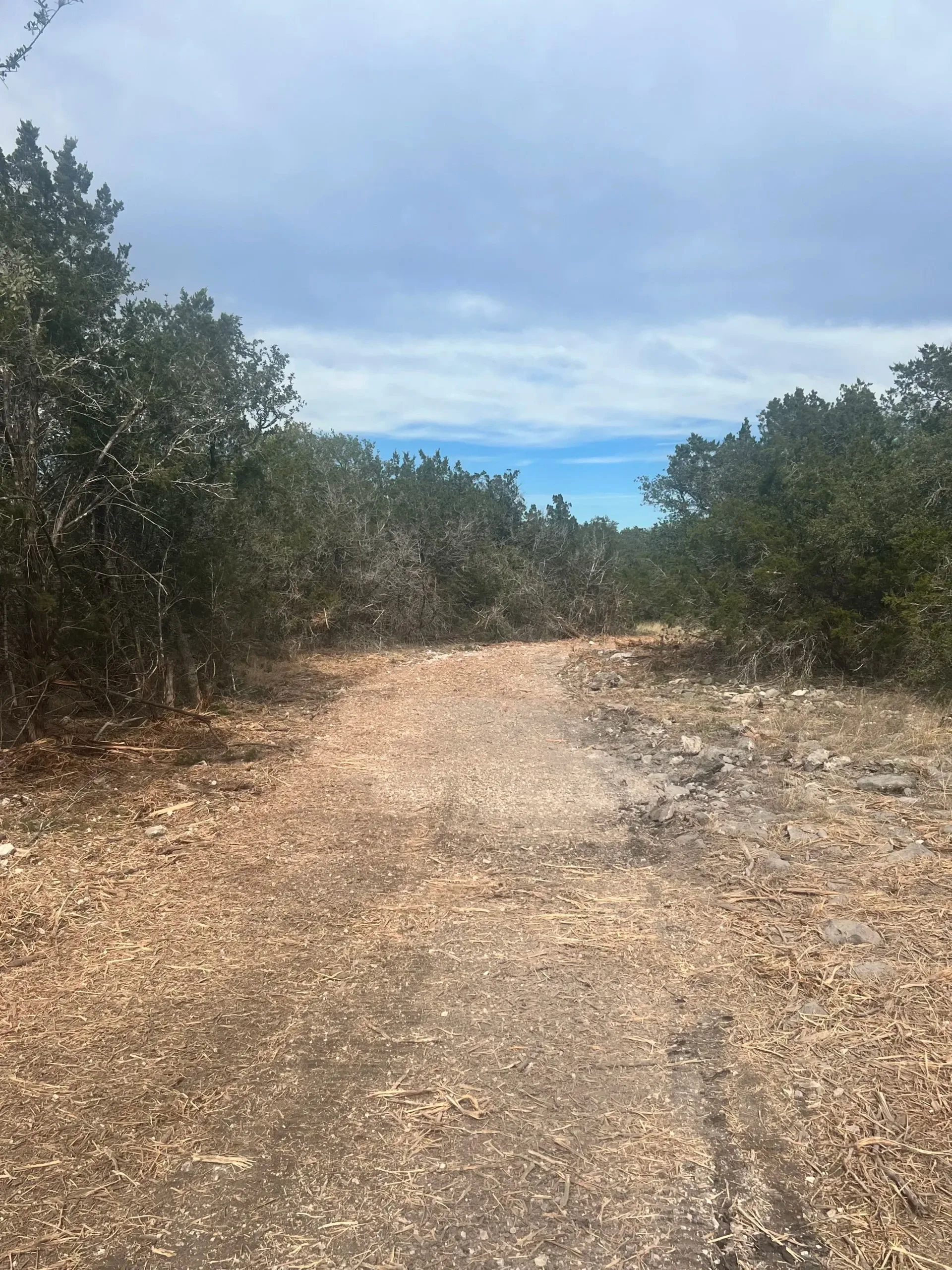
Central Texas has never been a stranger to wildfire, but the combination of drought years, dense cedar cover, and expanding rural development has made fire breaks a serious conversation for landowners across the Hill Country — not just an afterthought for ranchers with thousands of acres.
Why Fuel Load Is the Real Risk
Wildfire risk isn't just about dry weather. It's about how much burnable material is sitting on your land waiting for a spark. Thick cedar brakes, dead brush, tall dry grass, and downed limbs all act as fuel — and dense Ashe juniper in particular burns hot and fast, throwing embers well beyond the flame front. A property that hasn't been cleared or managed in years can carry a fuel load that turns a small grass fire into something far more dangerous.
What a Fire Break Actually Does
A fire break is a strip of land cleared down to bare soil or sparse, low-fuel vegetation, designed to slow or stop a fire's spread by removing the fuel it needs to keep burning. Effective fire breaks are typically placed:
- Around structures, barns, and equipment storage
- Along property lines, especially where they border undeveloped or heavily wooded neighboring land
- Along ridgelines and drainages, where fire tends to move fastest
- Around water sources and livestock holding areas
Width and placement depend on terrain, prevailing wind patterns, and what's being protected — a break around a home generally needs to be wider and more thoroughly cleared than a break separating two pastures.
Fire Breaks Work Best as Part of a Bigger Plan
A fire break alone isn't a complete wildfire strategy, but it buys critical time — for firefighters to respond, for evacuation, and for a fire to lose momentum before it reaches what matters most. Pairing fire breaks with broader brush and cedar management across the property reduces overall fuel load and makes any fire that does start easier to contain.
Timing Is Everything
The best time to build or refresh a fire break is well before fire season gets active — typically in the cooler, wetter months when equipment access is easier and there's no immediate red-flag warning in effect. Waiting until conditions are already dangerous limits both the window to work safely and the contractors available to help.
Protecting What You've Built
Whether you're protecting a homestead, a hunting lease, or a working ranch, a well-placed fire break is one of the most cost-effective investments a Hill Country landowner can make against wildfire risk.
Ready to put a fire break in before conditions get dangerous? Cactus Creek Land Clearing offers professional fire break services across the Hill Country. Call 830-353-8580 for a free quote.