
Cedar Fever and Cedar Mulching: Why Clearing Ashe Juniper Helps Your Allergies (and Your Land)
If you've lived in the Texas Hill Country through a December or January, you know the drill. The pollen count spikes, your eyes start watering, and half the county sounds like it's coming down with the flu. That's cedar fever - and the tree behind it isn't even a true cedar. It's Ashe juniper, and it's everywhere from Kerrville to Boerne to Fredericksburg.
Why Ashe Juniper Causes So Much Trouble
Ashe juniper is a native species, but decades of fire suppression and grazing patterns let it spread far beyond its historical range. A single mature male juniper can release billions of pollen grains in one winter, and when a hillside is packed wall-to-wall with untouched cedar brakes, that pollen has nowhere to go but into the air - and into your sinuses.
Beyond allergies, dense cedar cover chokes out native grasses, crowds out oak and other hardwoods, and consumes groundwater at a rate that can measurably affect nearby wells and springs. It's one of the few trees in Texas where "more of it" is rarely a win for the land.
How Selective Cedar Mulching Helps
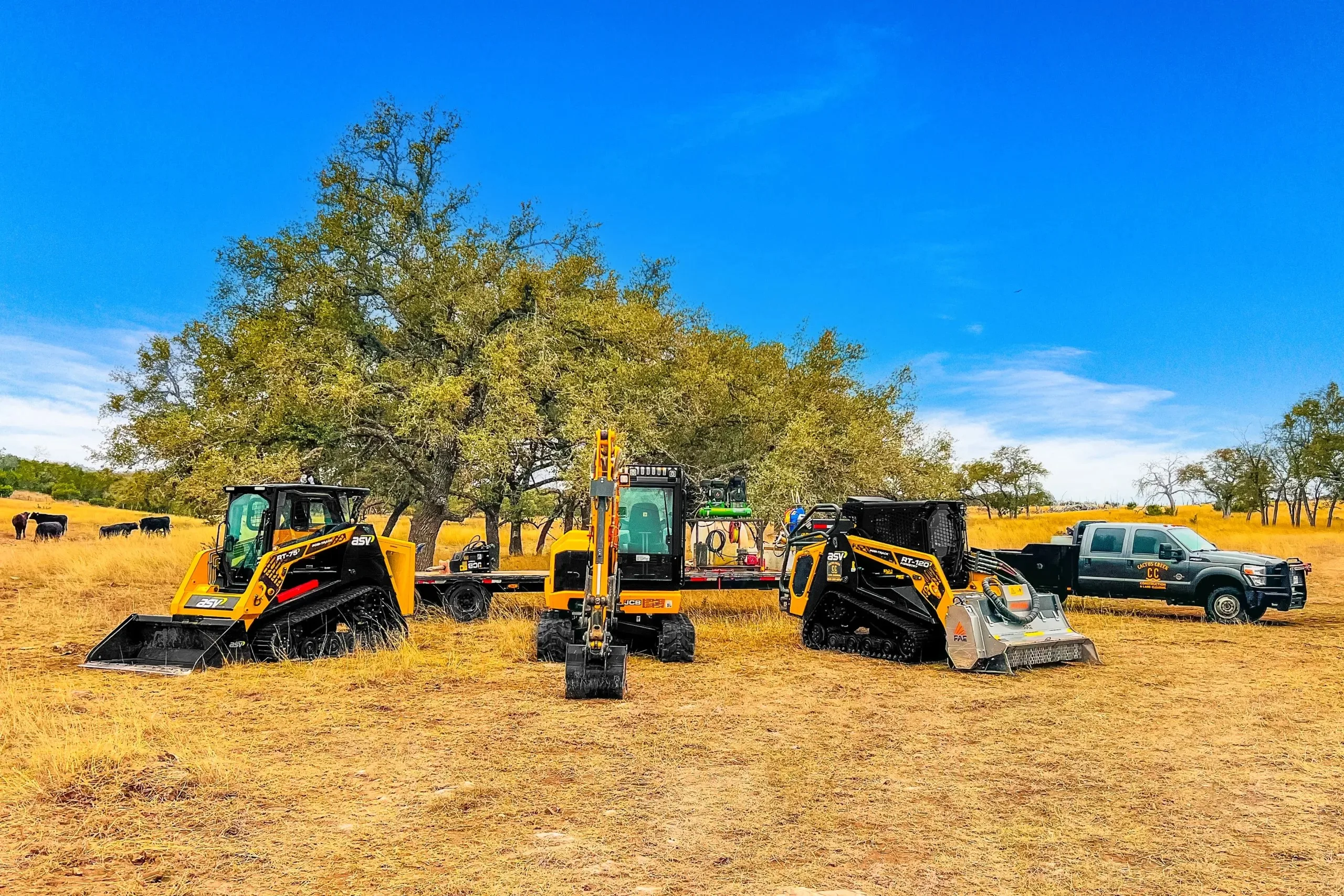
Cedar mulching doesn't mean stripping a property bare. A well-planned mulching project targets overgrown junipers - particularly male trees and dense thickets - while leaving healthy hardwoods, mature specimen trees, and Brush Clearing in place. The mulcher grinds cleared cedar into fine material right on site, which gets left behind as ground cover. That mulch layer helps hold soil, retain moisture, and slowly return nutrients to ground that's often been shaded and depleted for years.
The result is a property with:
- Fewer mature pollen-producing junipers
- More sunlight reaching the ground for native grasses to recover
- Improved water infiltration and reduced runoff
- A more open, usable, and often more valuable piece of land
Timing Matters
Cedar pollen season typically runs from December through February, which means late summer and fall are ideal windows to plan a mulching project - well ahead of the worst pollen counts, and before the ground gets too wet for equipment access.
Bringing in the Right Crew
Not every operation approaches cedar mulching with the same care. Selective clearing takes an eye for which trees to leave and a crew that knows the terrain - rocky slopes, sensitive drainages, and neighboring properties all factor in. If you're tired of watery eyes every winter and want a plan that also improves your land long-term, a Contact Us is a good place to start.
Thinking about cedar mulching on your property? Cactus Creek Land Clearing has been clearing Hill Country cedar since 2018 - call 830-353-8580 for a free on-site quote.