Right of Way Clearing 101: What Utility and Pipeline Companies Look for in a Contractor
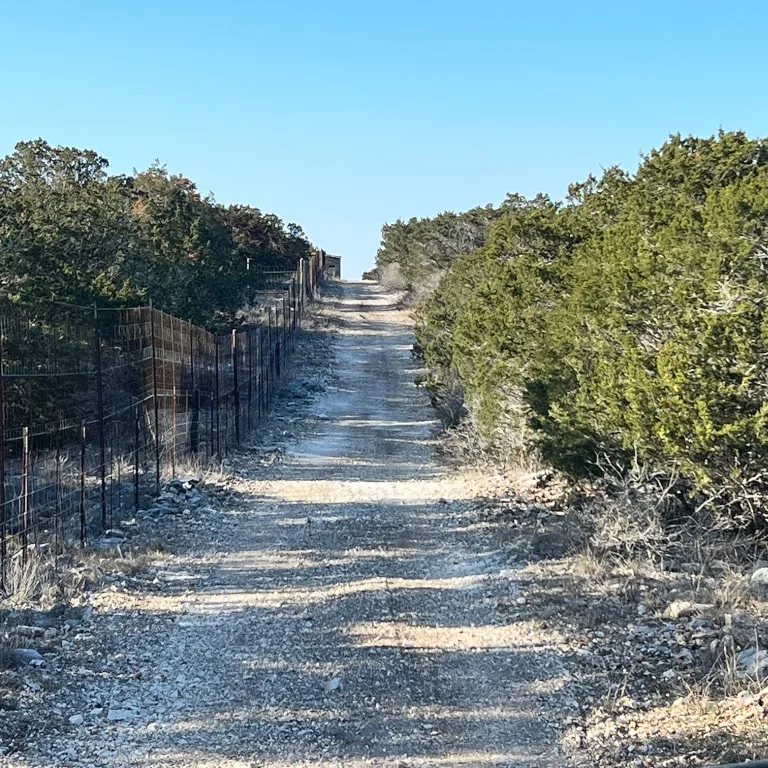
Right of way clearing looks straightforward from the outside — cut a path, keep it clear, move on. In practice, utility and pipeline right-of-way work is one of the more demanding categories of land clearing, and companies managing hundreds of miles of easement have learned to be selective about who they hire.
The Scale Is Different
Residential and ranch clearing projects typically run from a few acres to a few hundred. Utility and pipeline ROW work can stretch across dozens or hundreds of linear miles, crossing multiple counties, property owners, and terrain types in a single project. That scale demands equipment capacity, crew availability, and logistical planning that smaller residential-only operations often aren't set up to handle.
What Utility and Pipeline Clients Actually Evaluate
When infrastructure companies vet a land clearing contractor for ROW work, a few things tend to matter most:
- Consistent production rates. Can the crew clear a predictable number of miles or acres per week across varied terrain, and hit committed timelines?
- Insurance and safety compliance. ROW work near active pipelines, roadways, and utility infrastructure requires comprehensive insurance coverage and a clean safety track record.
- Equipment versatility. Easements cross everything from flat pastureland to steep, rocky terrain — a contractor needs the equipment mix to handle both without slowing down.
- Clear communication with landowners. Pipeline and utility ROW crews are often working across land they don't own, which means representing the client professionally to landowners along the route.
- Environmental and regulatory awareness. Staying clear of protected areas, waterways, and sensitive habitat isn't optional — it's part of doing the job correctly.
Access Easements vs. Long-Haul Corridors
Not all ROW work is pipeline-scale. Access easement clearing — opening or maintaining a route to a well pad, cell tower, or remote parcel — is a smaller, more contained version of the same skill set: clearing a defined corridor efficiently while respecting the boundaries of the easement itself.
Why Experience with Both Rural and Commercial Work Matters
A contractor that regularly works both ranch-scale land clearing and utility or pipeline ROW tends to bring a useful mix of skills to infrastructure projects — the production-focused efficiency utility work demands, plus the terrain judgment that comes from years of working rural Hill Country ground.
Planning a Right of Way Project
Whether it's a few miles of access easement or a multi-county pipeline corridor, the planning conversation is largely the same: timeline, terrain, landowner coordination, and equipment needs, mapped out before the first tree comes down.
Managing a right of way project across Central Texas? Cactus Creek Land Clearing supports access easements, pipeline corridors, and highway clearing at scale. Call 830-353-8580 to discuss your project.